The 60 Day Signs of Korean Astrology, Explained
In a nutshell
- Every date carries one of 60 stem-and-branch pairs; the one on your birthday is your day sign.
- The stem sets the element and its color (Green, Red, Gold, Silver, Blue); the branch sets the animal.
- Yang pairs with yang and yin with yin, which is why the cycle is 60 instead of 120.
Every date on the traditional East Asian calendar carries one of 60 stem-and-branch pairs, and the pair on your birthday is your day sign: the core of your saju chart and the piece Korean readers treat as most personally yours. This page is the full roster: all 60 signs, their Korean names, and their BaZi-style equivalents.
Why exactly 60?
The cycle combines ten heavenly stems with twelve earthly branches. Ten times twelve suggests 120 combinations, but the pairing follows a rule: yang stems only pair with yang branches, yin with yin. That halves the field to 60.
The cycle is old enough that Korea once used it to name calendar years, and it is the reason a 60th birthday (hwangab) is a landmark celebration: you have lived one full cycle.
Applied to days, the cycle simply repeats every 60 days, uninterrupted for centuries. No leap-day exceptions, no resets. Your day sign is whichever of the 60 your birth date lands on.
Anatomy of a day sign
Each sign is a two-part code:
- The stem sets the element and polarity. Each of the ten stems carries one of the five elements (Wood, Fire, Earth, Metal, Water) in a yang or yin flavor. IEUM shows the element as a color: Green for Wood, Red for Fire, Gold for Earth, Silver for Metal, Blue for Water.
- The branch sets the animal. The twelve zodiac animals, Rat through Pig, each with its own temperament and its own web of friendships and frictions with the other eleven.
So Green Rat decodes as: Wood element, yang polarity, Rat branch. In Korean it is gapja, the first sign of the cycle; in BaZi terms, the Yang Wood Rat day master. Sixty of these codes, sixty distinct characters.
About the colors: the traditional five-color scheme (obangsaek) paints Metal white and Water black. IEUM uses Silver and Blue for the same elements so the signs stay legible on screen, but the underlying elements are unchanged.
All 60 day signs
Grouped by element. Each element claims twelve signs: two stems (one yang, one yin) across the twelve animals.
Green · Wood signs
| Day sign | Korean name | BaZi style |
|---|---|---|
 Green Rat Green Rat | Gapja (갑자) | Yang Wood Rat |
 Green Ox Green Ox | Eulchuk (을축) | Yin Wood Ox |
 Green Dog Green Dog | Gapsul (갑술) | Yang Wood Dog |
 Green Pig Green Pig | Eulhae (을해) | Yin Wood Pig |
 Green Monkey Green Monkey | Gapsin (갑신) | Yang Wood Monkey |
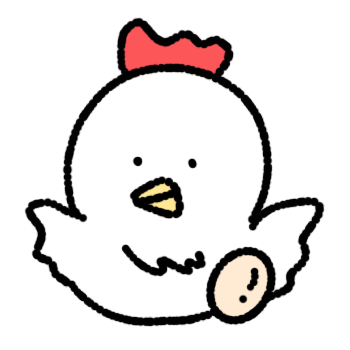 Green Rooster Green Rooster | Eulyu (을유) | Yin Wood Rooster |
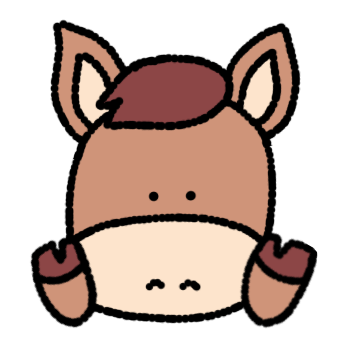 Green Horse Green Horse | Gapo (갑오) | Yang Wood Horse |
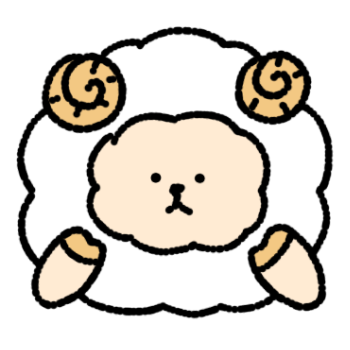 Green Goat Green Goat | Eulmi (을미) | Yin Wood Goat |
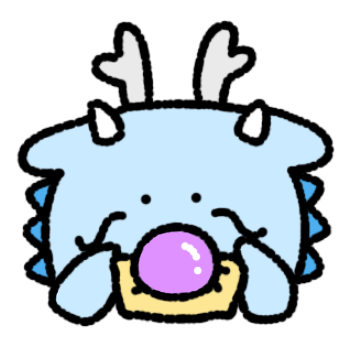 Green Dragon Green Dragon | Gapjin (갑진) | Yang Wood Dragon |
 Green Snake Green Snake | Eulsa (을사) | Yin Wood Snake |
 Green Tiger Green Tiger | Gapin (갑인) | Yang Wood Tiger |
 Green Rabbit Green Rabbit | Eulmyo (을묘) | Yin Wood Rabbit |
Red · Fire signs
| Day sign | Korean name | BaZi style |
|---|---|---|
| Red Tiger | Byeongin (병인) | Yang Fire Tiger |
| Red Rabbit | Jeongmyo (정묘) | Yin Fire Rabbit |
| Red Rat | Byeongja (병자) | Yang Fire Rat |
| Red Ox | Jeongchuk (정축) | Yin Fire Ox |
| Red Dog | Byeongsul (병술) | Yang Fire Dog |
| Red Pig | Jeonghae (정해) | Yin Fire Pig |
| Red Monkey | Byeongsin (병신) | Yang Fire Monkey |
| Red Rooster | Jeongyu (정유) | Yin Fire Rooster |
| Red Horse | Byeongo (병오) | Yang Fire Horse |
| Red Goat | Jeongmi (정미) | Yin Fire Goat |
| Red Dragon | Byeongjin (병진) | Yang Fire Dragon |
| Red Snake | Jeongsa (정사) | Yin Fire Snake |
Gold · Earth signs
| Day sign | Korean name | BaZi style |
|---|---|---|
| Gold Dragon | Mujin (무진) | Yang Earth Dragon |
| Gold Snake | Gisa (기사) | Yin Earth Snake |
| Gold Tiger | Muin (무인) | Yang Earth Tiger |
| Gold Rabbit | Gimyo (기묘) | Yin Earth Rabbit |
| Gold Rat | Muja (무자) | Yang Earth Rat |
| Gold Ox | Gichuk (기축) | Yin Earth Ox |
| Gold Dog | Musul (무술) | Yang Earth Dog |
| Gold Pig | Gihae (기해) | Yin Earth Pig |
| Gold Monkey | Musin (무신) | Yang Earth Monkey |
| Gold Rooster | Giyu (기유) | Yin Earth Rooster |
| Gold Horse | Muo (무오) | Yang Earth Horse |
| Gold Goat | Gimi (기미) | Yin Earth Goat |
Silver · Metal signs
| Day sign | Korean name | BaZi style |
|---|---|---|
| Silver Horse | Gyeongo (경오) | Yang Metal Horse |
| Silver Goat | Sinmi (신미) | Yin Metal Goat |
| Silver Dragon | Gyeongjin (경진) | Yang Metal Dragon |
| Silver Snake | Sinsa (신사) | Yin Metal Snake |
| Silver Tiger | Gyeongin (경인) | Yang Metal Tiger |
| Silver Rabbit | Sinmyo (신묘) | Yin Metal Rabbit |
| Silver Rat | Gyeongja (경자) | Yang Metal Rat |
| Silver Ox | Sinchuk (신축) | Yin Metal Ox |
| Silver Dog | Gyeongsul (경술) | Yang Metal Dog |
| Silver Pig | Sinhae (신해) | Yin Metal Pig |
| Silver Monkey | Gyeongsin (경신) | Yang Metal Monkey |
| Silver Rooster | Sinyu (신유) | Yin Metal Rooster |
Blue · Water signs
| Day sign | Korean name | BaZi style |
|---|---|---|
| Blue Monkey | Imsin (임신) | Yang Water Monkey |
| Blue Rooster | Gyeyu (계유) | Yin Water Rooster |
| Blue Horse | Imo (임오) | Yang Water Horse |
| Blue Goat | Gyemi (계미) | Yin Water Goat |
| Blue Dragon | Imjin (임진) | Yang Water Dragon |
| Blue Snake | Gyesa (계사) | Yin Water Snake |
| Blue Tiger | Imin (임인) | Yang Water Tiger |
| Blue Rabbit | Gyemyo (계묘) | Yin Water Rabbit |
| Blue Rat | Imja (임자) | Yang Water Rat |
| Blue Ox | Gyechuk (계축) | Yin Water Ox |
| Blue Dog | Imsul (임술) | Yang Water Dog |
| Blue Pig | Gyehae (계해) | Yin Water Pig |
Reading your own sign
A day sign reads like a character sketch: the element gives the engine (a Blue sign runs deep and adaptive, a Red sign runs hot and expressive), the animal gives the style, and yin or yang sets the volume.
The pairs matter even more than the individuals: how two signs’ elements feed or fight each other is the basis of gunghap, Korea’s compatibility reading.
Finding your sign by hand means walking traditional calendar tables, so let the computer do it: IEUM converts your birthday instantly, writes up your sign, and if you bring friends, reads every pair in the group. If you are new to the whole system, start with why day signs beat year signs.
Frequently asked questions
Why are there 60 day signs and not 120?
Because polarity has to match. Ten stems and twelve animals could make 120 pairs, but yang stems only pair with yang animals and yin with yin, which halves the count to 60.
How does the 60-day cycle work?
Each day gets the next stem-and-branch pair in a fixed sequence that restarts every 60 days. The pair on your birth date is your day sign.
What do the colors in the day sign names mean?
They stand for the element of the day stem: Green for Wood, Red for Fire, Gold for Earth, Silver for Metal, Blue for Water. Green Rat means a Wood stem on a Rat branch.
Do the 60 day signs have BaZi or Chinese names?
Yes. Each Korean sign corresponds one to one with a Chinese sexagenary pair, so Green Rat is 갑자 in Korean and Jiazi in Chinese. The table on this page lists all 60.